
Lucha libre looks, from the outside, like wrestling with better costumes. It is not. It is closer to a morality play that happens to involve people being thrown off the top rope, and once you can read it the whole evening changes.
This is what actually happens at Arena México, how to get a seat worth having, and the handful of rules nobody writes down.
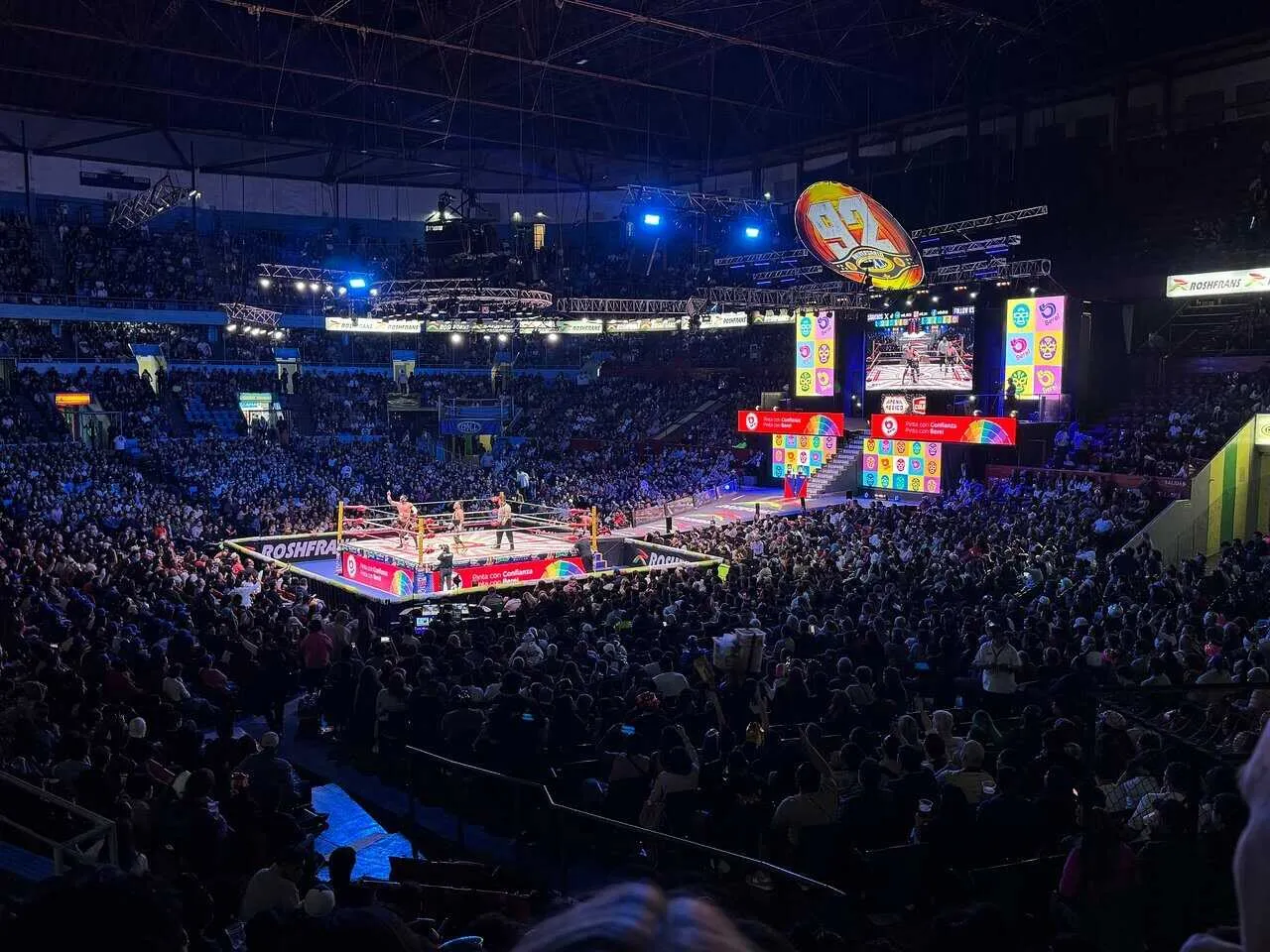
Técnicos and rudos
Every fighter belongs to one of two camps. The técnico wrestles clean and plays to the crowd's better instincts. The rudo cheats, argues with the referee, and works the audience's anger on purpose. Nobody announces which is which; you work it out in the first thirty seconds, and you are supposed to pick a side out loud.
The rudo is usually the better performer. Being hated well is harder than being liked, and the crowd knows it.
The mask is not a costume
A luchador who wrestles enmascarado keeps his face hidden in public for his entire career. Not in the ring: in public. Interviews, restaurants, his own neighbourhood. The mask is the identity, and the man underneath is a separate private person.
Which is why a luchas de apuesta, a bet match, is the highest-stakes thing that happens in the building. Mask against mask, or mask against hair. The loser is unmasked in the ring, in front of everyone, and never wears that mask again. Careers end in those ten minutes. If you are lucky enough to be there for one, you will know, because the noise is unlike anything else.
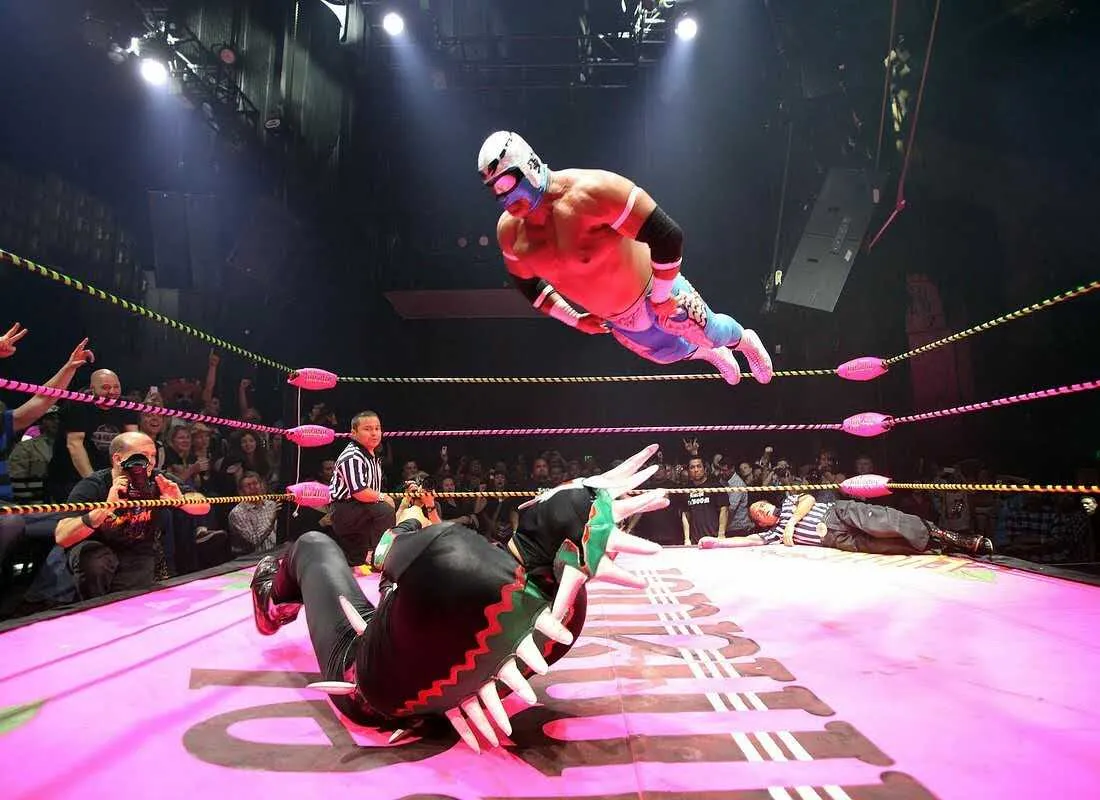
Arena México, since 1956
The building has been the home of lucha libre since 1956 and is known as the Cathedral. It seats a crowd steep enough that even the cheap rows have an angle on the ring, which is not true of most arenas.
The function runs several matches, building from newer wrestlers to the headline bout, usually a six-man tag. It lasts about two and a half hours.
Where to sit
Ringside is loud, close, and occasionally damp. Wrestlers land in the first rows, and the understanding is that you move. It is the best seat if you want the sound of the impacts, which carries differently up close.
The middle tier is the sweet spot: close enough to read faces, high enough to see the choreography of a tag match as a whole. Go higher and you lose expressions but gain the crowd itself, which on a good night is half the show.
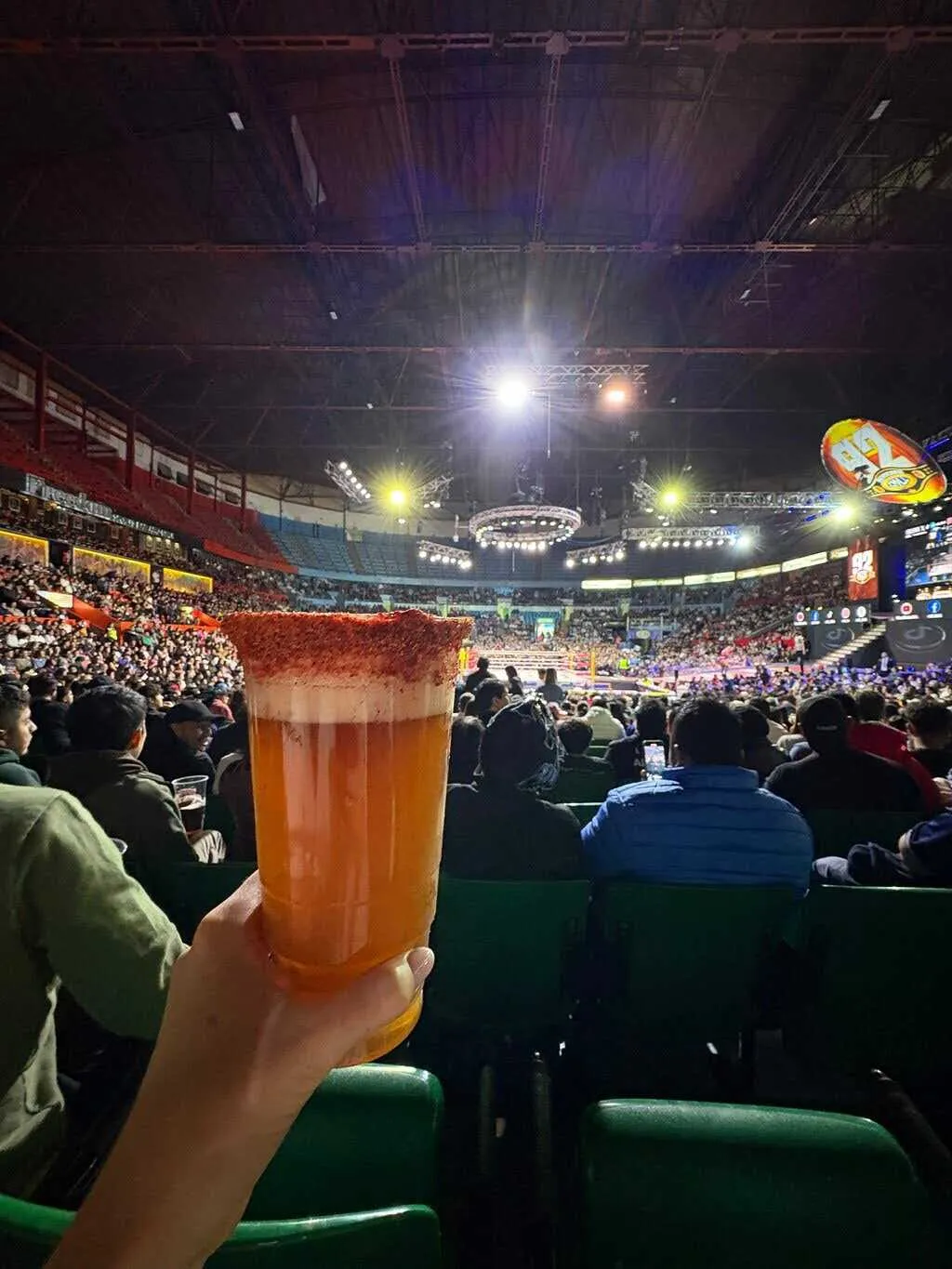
Nights and times
Tuesday is the local night: cheaper, less busy, mostly regulars, and a good place to see wrestlers on the way up. Friday is the big card, the fullest house and the loudest. Sunday afternoon is the family function, which starts early and ends early.
If you have one evening and want the full noise, go Friday. If you want to actually hear yourself think, Tuesday.
The unwritten rules
Shout. Sitting silent is the only genuine mistake. The crowd chants are crude, rhythmic and entirely traditional, and nobody minds if you do not know the words.
Do not take photographs of other people's children, do not throw anything, and if a fighter ends up in your row, get out of the way rather than reaching for your phone. Cameras are fine. Professional lenses are not, at the door's discretion.
Eat before, not inside
Arena food is arena food. The taquerías around Colonia Doctores are the reason to arrive early: al pastor carved off the trompo, which is the right way to start a night that ends with mezcal and a mask under your arm.
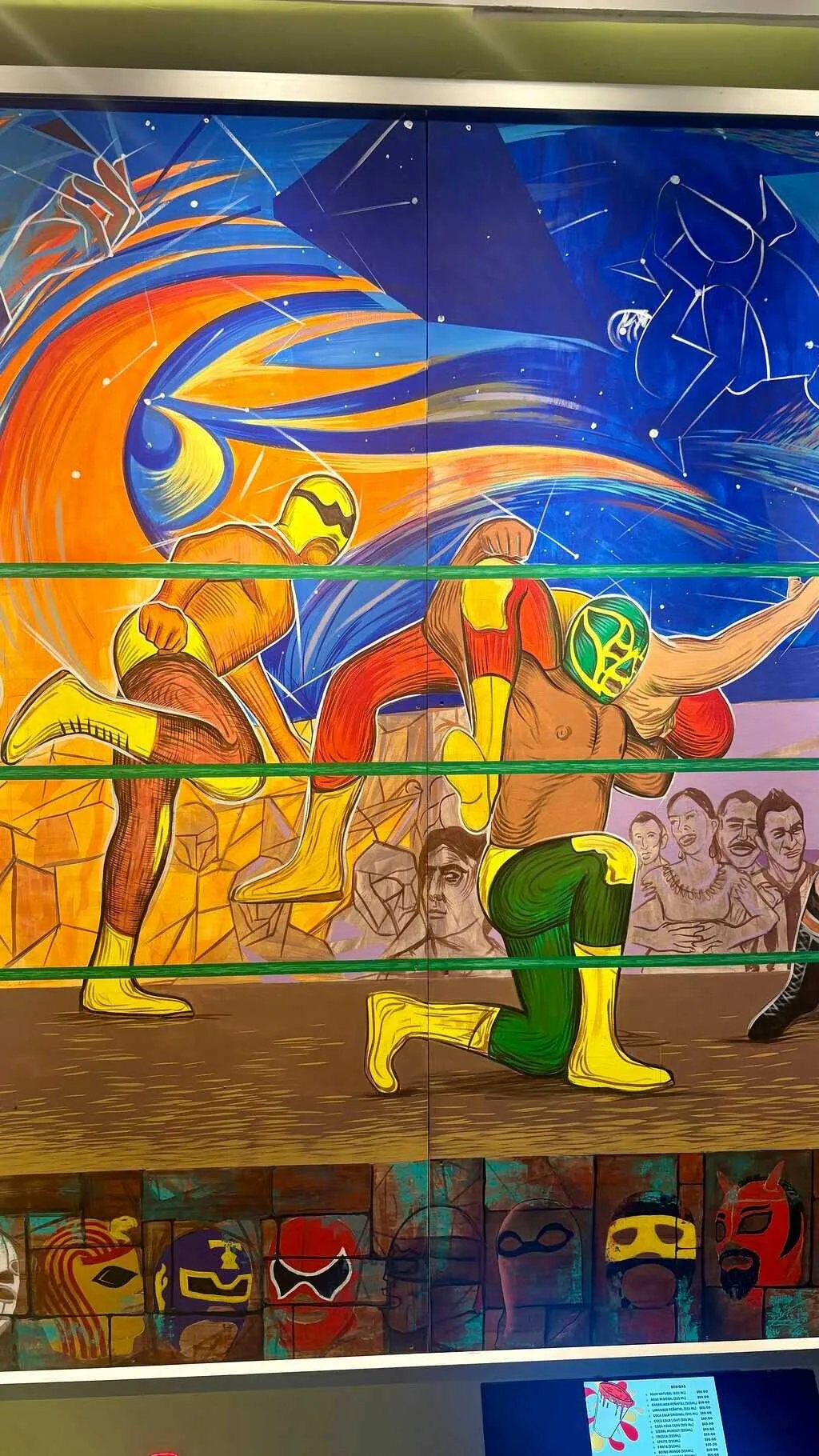
Is it safe, and is it for children
The arena is in Colonia Doctores, which has a reputation. Inside and in the immediate blocks on a fight night it is busy and fine; the usual advice applies about how you arrive and leave late at night. Take a taxi from the door rather than walking to find one.
Children love it, and the Sunday function is built for them. The violence is obviously performed, and the crowd language is the only thing worth thinking about.
Recommended Experience
“Go with people who explain what you are watching, in premium seats, tacos and mezcal included.”