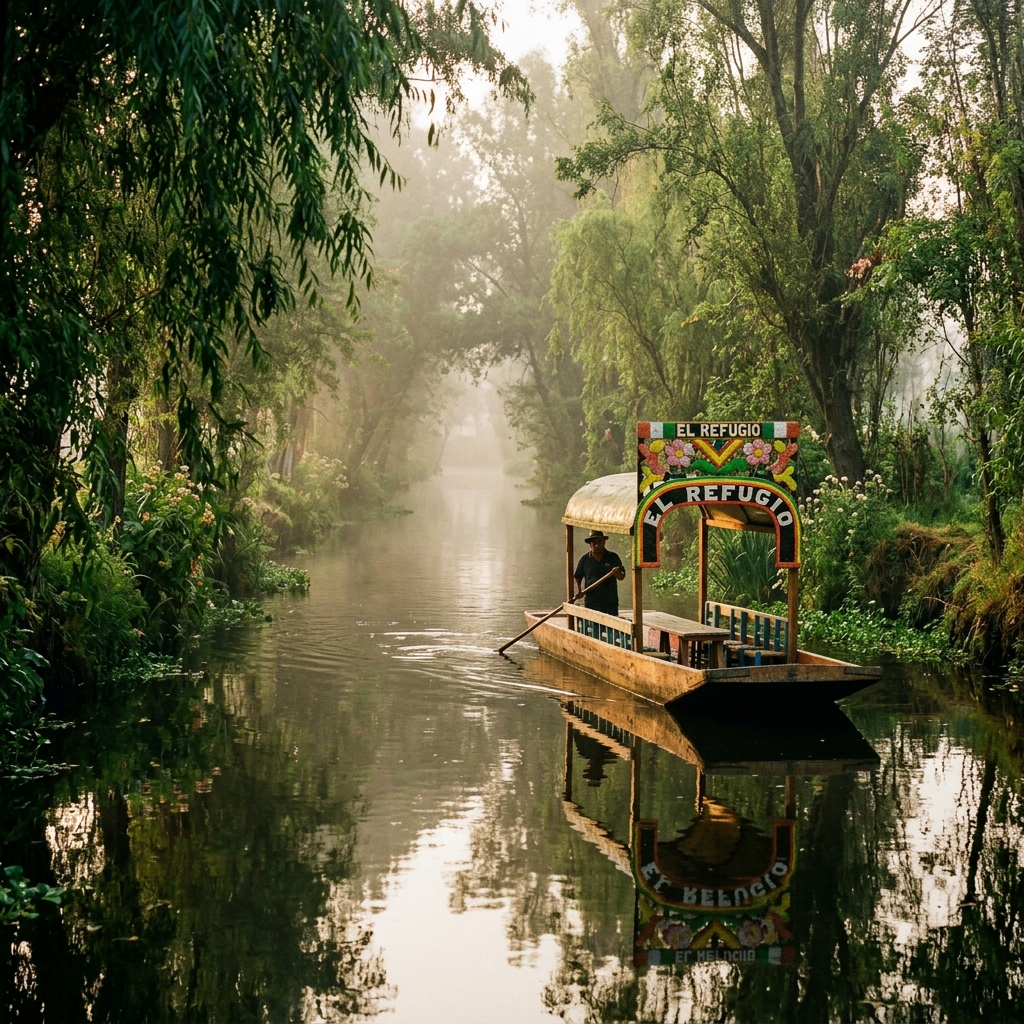
Almost everyone who visits Xochimilco sees the same thing: a wide canal, boats tied three deep, mariachis competing with a speaker two metres away, and beer sold from a passing canoe. It is genuinely fun, and it is also about four per cent of Xochimilco.
The rest is quiet. Narrow channels where the only sound is the pole hitting the bottom, farmland that has been worked the same way since before the Spanish arrived, and a salamander that exists nowhere else on Earth. Getting there is not difficult. It mostly comes down to which dock you walk into.
There are two Xochimilcos, and the second one is barely signposted
The party you have seen in photographs happens at the tourist docks closest to the town centre. They are set up for it: parking, food stalls, dozens of trajineras waiting, and a route that loops through the widest, most crowded water.
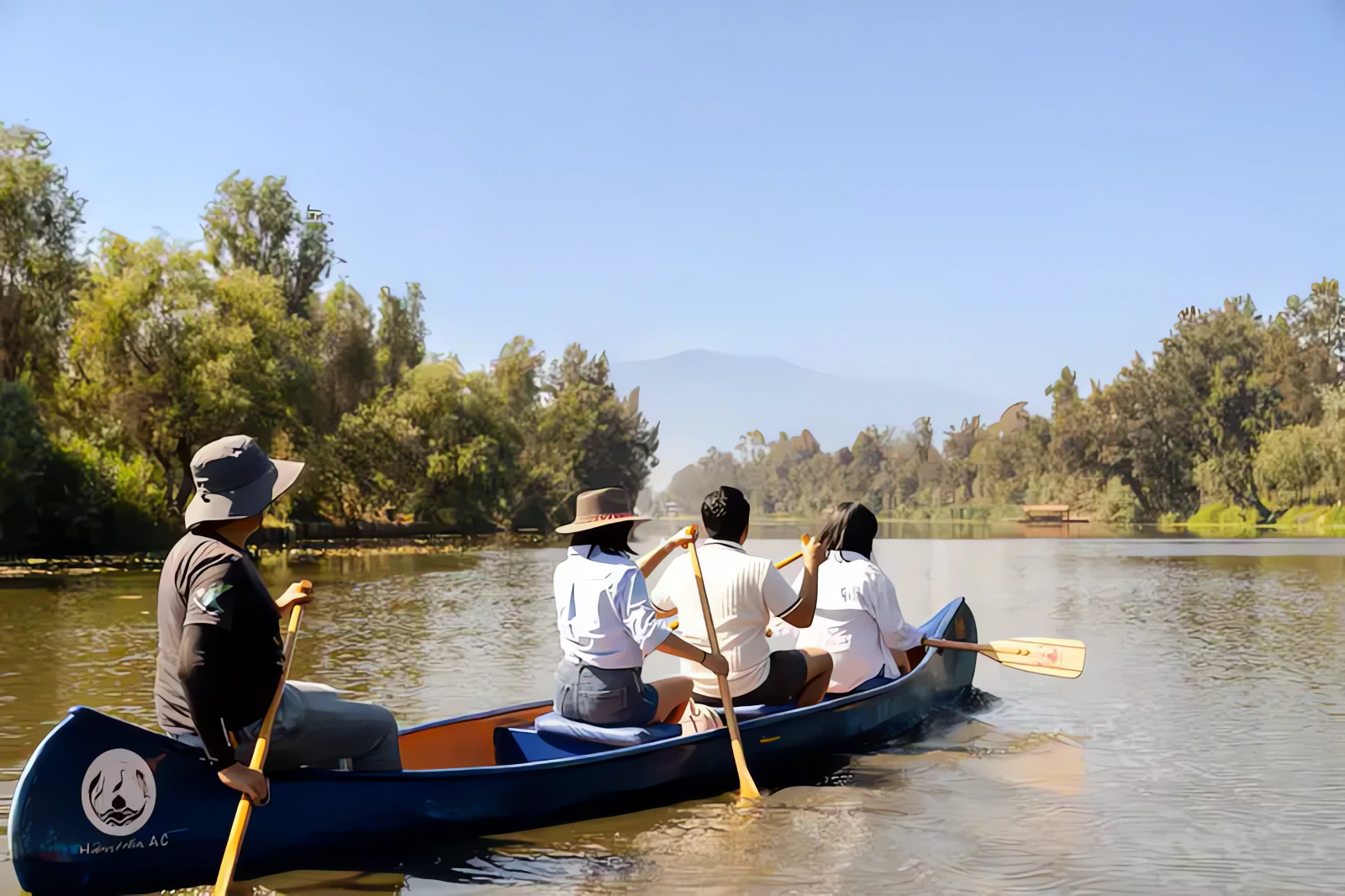
Embarcadero Cuemanco sits apart from those, on the ecological side of the canal system. The boats leave in the other direction, into channels too narrow for a party to form. There is no queue of mariachis because there is nowhere for them to pull alongside. Same World Heritage site, a completely different afternoon.
A chinampa is not a floating garden
The phrase people use is floating garden, and it is wrong in a way that hides how clever the real thing is. A chinampa is a rectangular plot built upward from the lake bed: layers of mud dredged from the bottom, held in place by woven reed walls, and anchored by willows planted at the corners whose roots eventually hold the whole thing together.
They do not float. They are islands, made on purpose, in water. The system fed Tenochtitlan, and the surprising part is not that it existed but that it still works. Chinampas in Xochimilco are producing vegetables and flowers for the city this week.
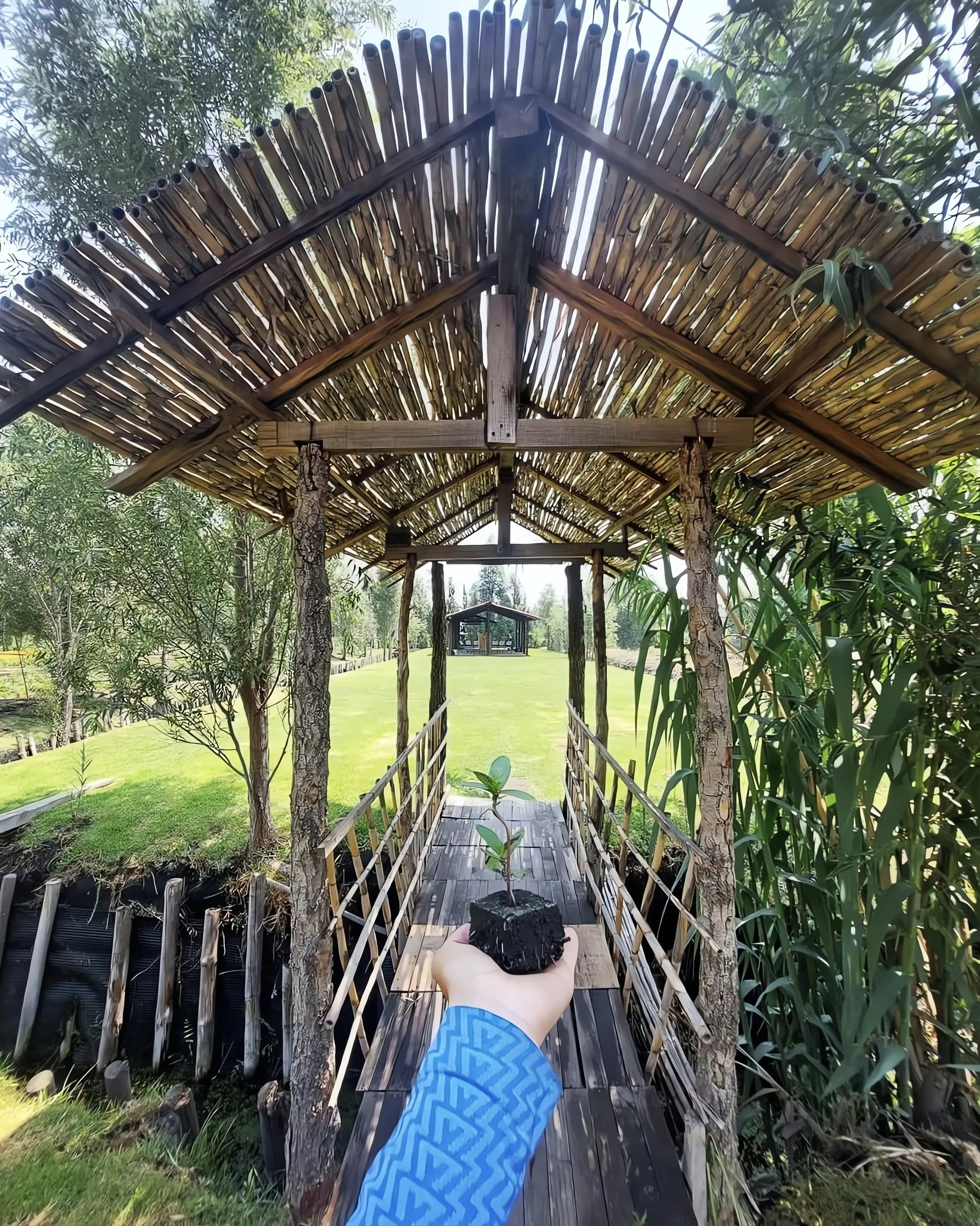
Standing on one is the moment that tends to reorganise people's understanding. The ground is soft. The water is right there, level with your feet on both sides. Someone is picking what you are about to eat.
The axolotl lives here and nowhere else
The axolotl is a salamander that never finishes growing up. Most amphibians lose their gills and leave the water; this one keeps the gills, keeps the fins, and stays. It is also capable of regrowing a limb, which is why laboratories around the world keep them.
Wild axolotls live in one place on the planet: this canal system. They are critically endangered, and you are unlikely to see one from a boat. What you can see is the work being done to keep the water clean enough for them, which is the same work that keeps the chinampas productive. The two problems have one answer.
Trajinera or canoe
A trajinera is the wide flat-bottomed boat with the painted arch, pushed along with a pole. It is stable, it seats a group around a table, and it is the comfortable choice if there are children or anyone who would rather not climb in and out of something narrow.
A canoe sits lower and moves quieter. It fits into channels a trajinera cannot enter, and you are close enough to the water to see what is in it. If the reason you came is the silence, take the canoe.
Morning or afternoon
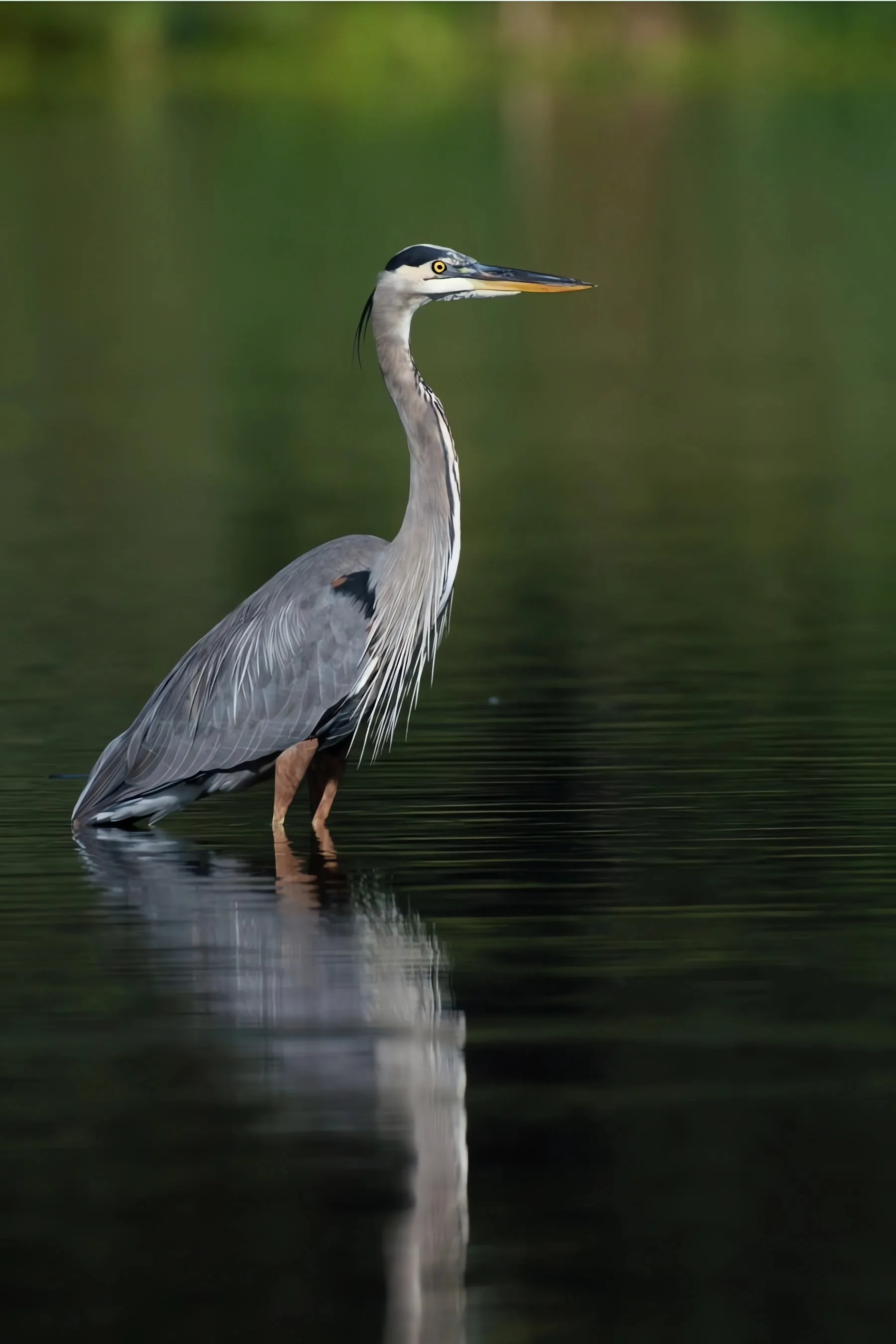
Morning is cooler, the light is low and the birds are active. Herons stand in the shallows and the water is usually still enough to mirror the willows. If you want photographs, go early.
Early afternoon is warmer and the colour is stronger, and it suits anyone who does not want to cross the city at dawn. Xochimilco is roughly an hour south of the Historic Centre, which is the part most itineraries underestimate.
Lunch that was growing an hour earlier
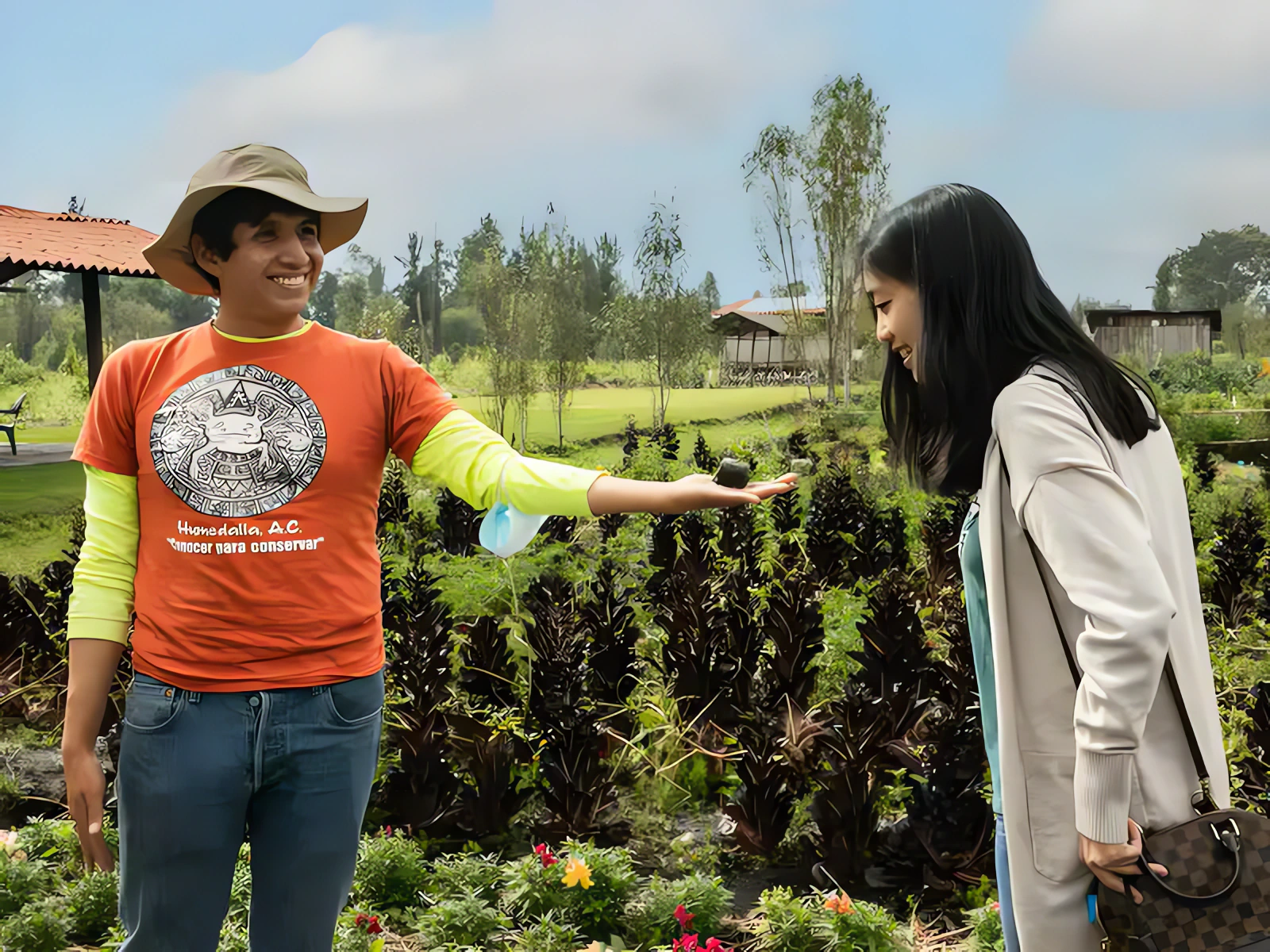
Eating on the chinampa is not a staged activity. The vegetables come from the plot you are sitting on, and the pulque, if you try it, is the fermented agave drink that predates beer in Mexico by a long way. It is cloudy, slightly sour, and divides opinion immediately.
Practical notes
Bring sun protection even in winter: there is no shade on open water and the altitude is unforgiving. Bring a layer anyway, because the canals stay cold until the sun is properly up. Carry some cash for anything you buy from a passing boat. And allow more time than the map suggests for getting there.
The visit runs about four hours including the crossing, the stop on the chinampa and lunch. It works well with children, who usually remember the chinampa over the boat.
Recommended Experience
“See the quiet side of Xochimilco with the families who farm it.”